
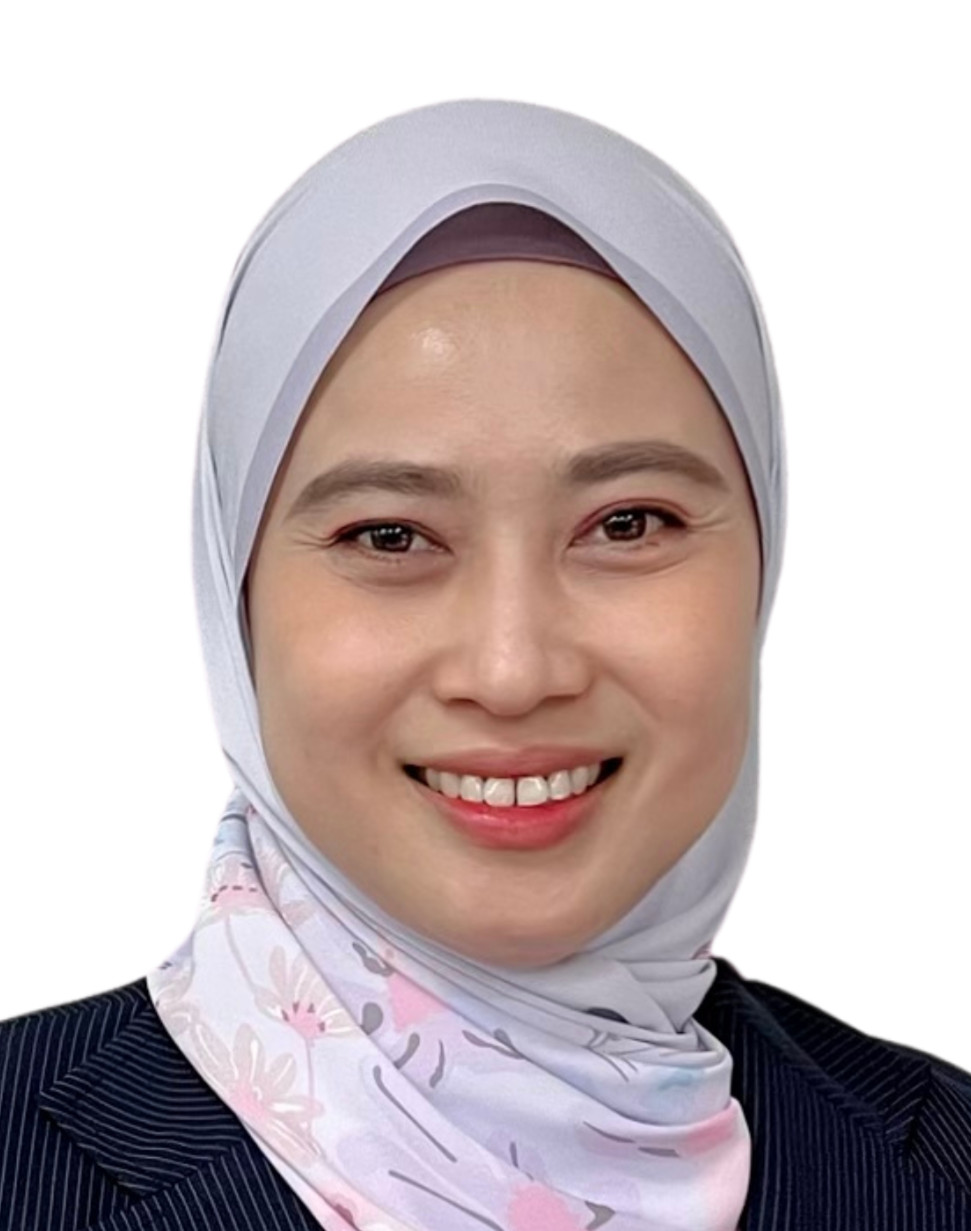
Deok Hyun Moon/ Chosun University, Republic of Korea
Dr. Moon is currently an associate professor in the Department of Environmental Engineering at Chosun University, located in Gwangju City, Republic of Korea. He also serves as an associate editor for the Springer journal Environmental Geochemistry and Health. He earned both a Master’s degree and a Ph.D. in Environmental Engineering from Stevens Institute of Technology, located in Hoboken, New Jersey, USA. His research primarily focuses on the remediation of arsenic (As) and heavy metal-contaminated soil and solid waste, characterization of metal-contaminated soils and solid media, the fate and transport of heavy metals in soils, and the remediation of chromite ore processing residue (COPR). Specifically, Dr. Moon is recognized as an expert in the stabilization/solidification (S/S) of heavy metal-contaminated soil and solid waste. With over 25 years of research experience, he has extensively worked on solidification/stabilization (S/S) processes for heavy metal-contaminated soil, solid waste, and dredged materials. Dr. Moon has authored more than 140 peer-reviewed journal articles in the fields of soil remediation and solid waste treatment.
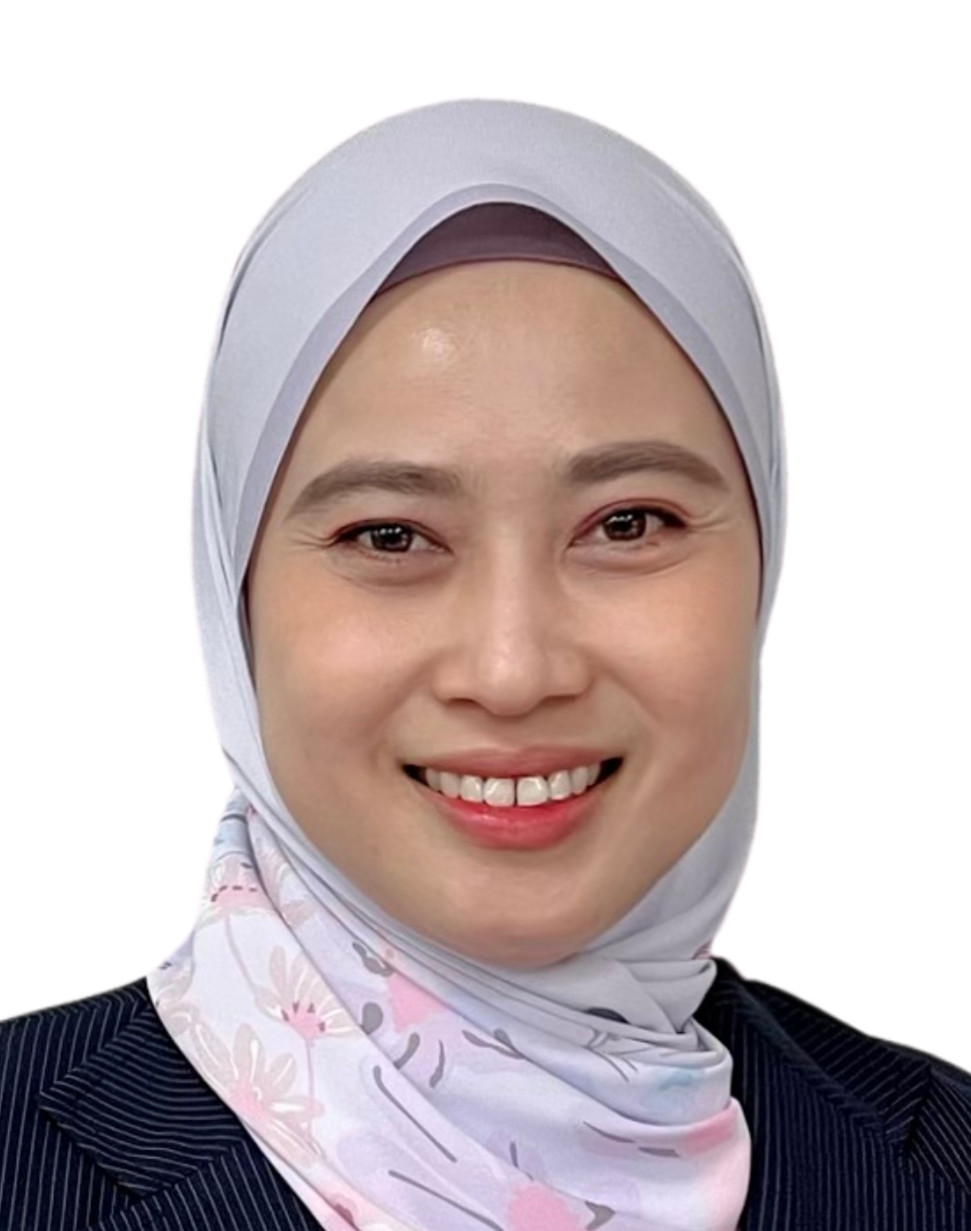
Norazian Mohamed Noor/ Universiti Malaysia Perlis, Malaysia
Dr. Norazian Mohamed Noor is an Associate Professor at the Faculty of Civil Engineering Technology, Universiti Malaysia Perlis (UniMAP). She holds a PhD in Air Quality Studies from Universiti Sains Malaysia and has built a distinguished career in environmental and atmospheric research. Her academic work primarily explores the dynamics of air quality, atmospheric pollutants, and climate–air interactions, with a focus on developing predictive and data-driven approaches for sustainable environmental management. Over the years, Dr. Norazian has contributed extensively to the scientific community through numerous publications in leading international journals, with over 50 publications in indexed journals. She has also collaborated on various national and international research initiatives addressing pressing environmental challenges in Malaysia and Southeast Asia. Her current research examines long-term air quality trends in relation to climate variability, aiming to strengthen scientific understanding and policy support for cleaner air and healthier urban environments.
Thanwadee Chinda/ Thammasat University, Thailand
Dr. Thanwadee Chinda is an Associate Professor at the School of Management Technology, Sirindhorn International Institute of Technology, Thammasat University, Thailand. She received her Ph.D. in Engineering Management from Griffith University, Australia. Her research areas are construction management, environmental management, and supply chain management. Her research interests are in, for example, waste management, end-of-life management, trend prediction, and performance evaluation utilizing several analysis techniques, such as system dynamics modeling, structural equation modeling, analytic hierarchy process, and best-worst method. Her publications have appeared, among others, in, for example, Journal of the Air and Waste Management Association, Environmental Engineering Research, Civil Engineering and Environmental Systems, Sustainability, International Journal of Construction Management, Engineering, Journal of Construction Engineering and Management, Construction, and Architectural Management, and Engineering Management Journal.